


What is a Felony DUI in Arizona, No. 8, State v. Cahill
Table of Contents
The purpose of this series of podcasts is to discuss the facts, legal issues and sentences imposed in Arizona felony DUI cases so people can have an understanding of how individuals can be found guilty of Felony DUI and what sentences can be imposed.
The cases discussed in this series are primarily based on memorandum decisions issued by the Arizona Court of Appeals. Memorandum decisions are only binding on that individual case and are not legal precedent for other cases. However, their discussion of the facts, legal issues presented and sentences imposed are a good guide for what it takes to be found guilty of a felony DUI in Arizona, and what the sentences imposed could be. Keep in mind almost all of these cases arose from the defendant’s appeal after a Felony DUI trial. Sentences for Felony DUIs which are resolved by plea agreement are often less than those imposed after a jury trial.
State v. Cahill, No. 1 CA-CR 14-0165 (8/13/15).
FACTS:
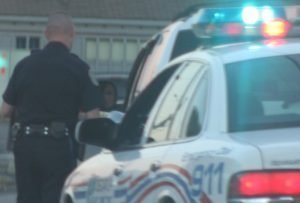
A police officer was dispatched to check on a person in a car at a gas station parking lot. The officer found the defendant asleep in the driver’s seat of a car with the engine running. The officer knocked on the window, startling the defendant, who sat up and “hit the steering wheel like as if someone would honk the horn.” The officer said the defendant was obviously confused because he reached for the gearshift, but then reached up and turned the ignition key while the engine was already running.
The defendant told the officer he was a chauffeur and was waiting to pick up a customer, and volunteered that he had been arrested earlier that morning for DUI. The defendant admitted that he had taken Ativan, a prescription medication, and said he had gotten the Ativan from a client.
The defendant performed poorly on two field sobriety tests and was arrested. When searching the vehicle the officers found three prescription bottles, including one for Ativan.
At the police station the defendant voluntarily spoke with a drug recognition expert officer, and participated in other sobriety tests.
The defendant also provided a urine sample, which tested positive for methamphetamine and amphetamine.
The defendant was charged with Felony Aggravated DUI. The defendant’s case went to jury trial and the defendant failed to appear for the last day of the trial.
LEGAL ISSUE:
On appeal the defendant raised two issues of what he contended were prosecutorial misconduct occurring in the prosecutor’s closing arguments.
First, the defendant contended the prosecutor had improperly stated the Actual Physical Control law in a couple of ways. The concept of Actual Physical Control includes several factors a jury can consider in making their determination that the person was or was not in Actual Physical Control. Those factors include, was the engine running and where was the defendant seated in the vehicle. In his closing the prosecutor characterized two of the factors as more important than the others and the defendant contended that by law none of the factors was more important than the other. The defendant also alleged when the prosecutor said that the purpose of the law is to keep impaired persons from driving, that also was an improper misstatement of law. The Court of appeals rejected both of those arguments from the defendant.
Second the defendant contended the prosecutor had improperly vouched for the evidence and the officer’s credibility. “Prosecutorial vouching” occurs (1) when “the prosecutor places the prestige of the government behind its evidence” and (2) “where the prosecutor suggests that information not presented to the jury supports the evidence.” The court of appeals said neither had occurred in the case.
The court of appeals affirmed the verdict and sentence.
SENTENCE:
The defendant was subsequently arrested on the warrant issued when he failed to appear for the last day of trial and sentenced to concurrent prison terms of five months, with fifty-one days of presentence incarceration credit and three years of probation.
The memorandum decision is available by link, along with the transcript/podcast of this recording.
Gordon Thompson
https://www.gordonthompsonattorney.net/
https://www.gordonthompsonattorney.net/blog/
For more information about Arizona DUI and criminal law issues please contact Gordon Thompson who has used his experience to write a blog on topics of interest. You can also chat with Gordon about your specific questions. Website: https://GordonThompsonAttorney.net